Safety Razor Beginner Guide 2026: Save $300 and Cut Plastic Waste
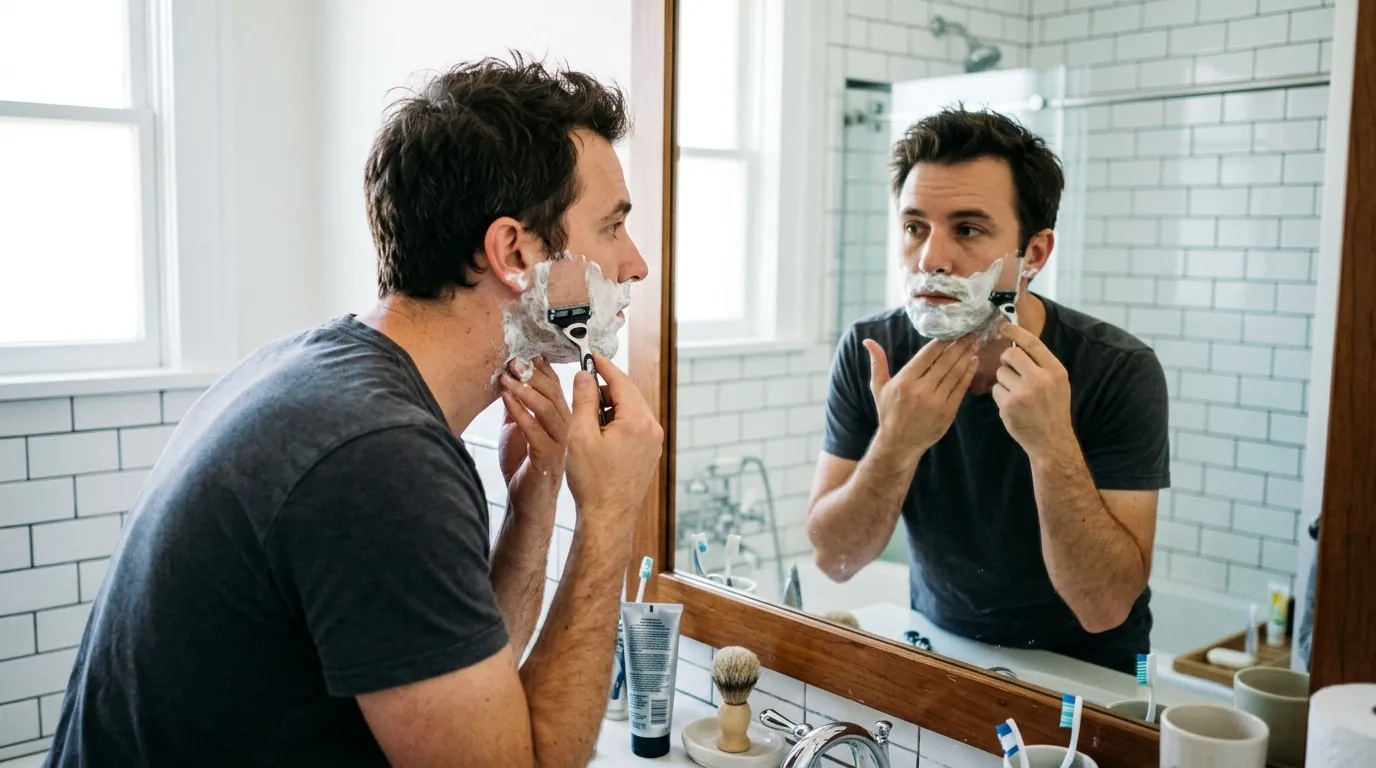
Our team sees safety razors as one of the smartest low-tech upgrades for anyone tired of overpriced cartridges and endless landfill contributions. With cartridge refills climbing in price and plastic pollution from disposables reaching billions of units annually, millions are making the switch. The result: closer shaves, dramatically lower ongoing costs, and a simpler routine that fits low-tech living.
Here is exactly how to get started, backed by current 2026 pricing, proven techniques, and environmental data.
Why Cartridge Razors Are Costing You More Than You Think
Multi-blade cartridge systems dominate drugstore shelves, but the hidden costs add up fast. Replacement heads for popular brands like Gillette Fusion or Mach3 routinely run $3.50–$5.00 each. Heavy users (every other day or more) often replace heads monthly, pushing annual refill spending to $200–$400 or higher.
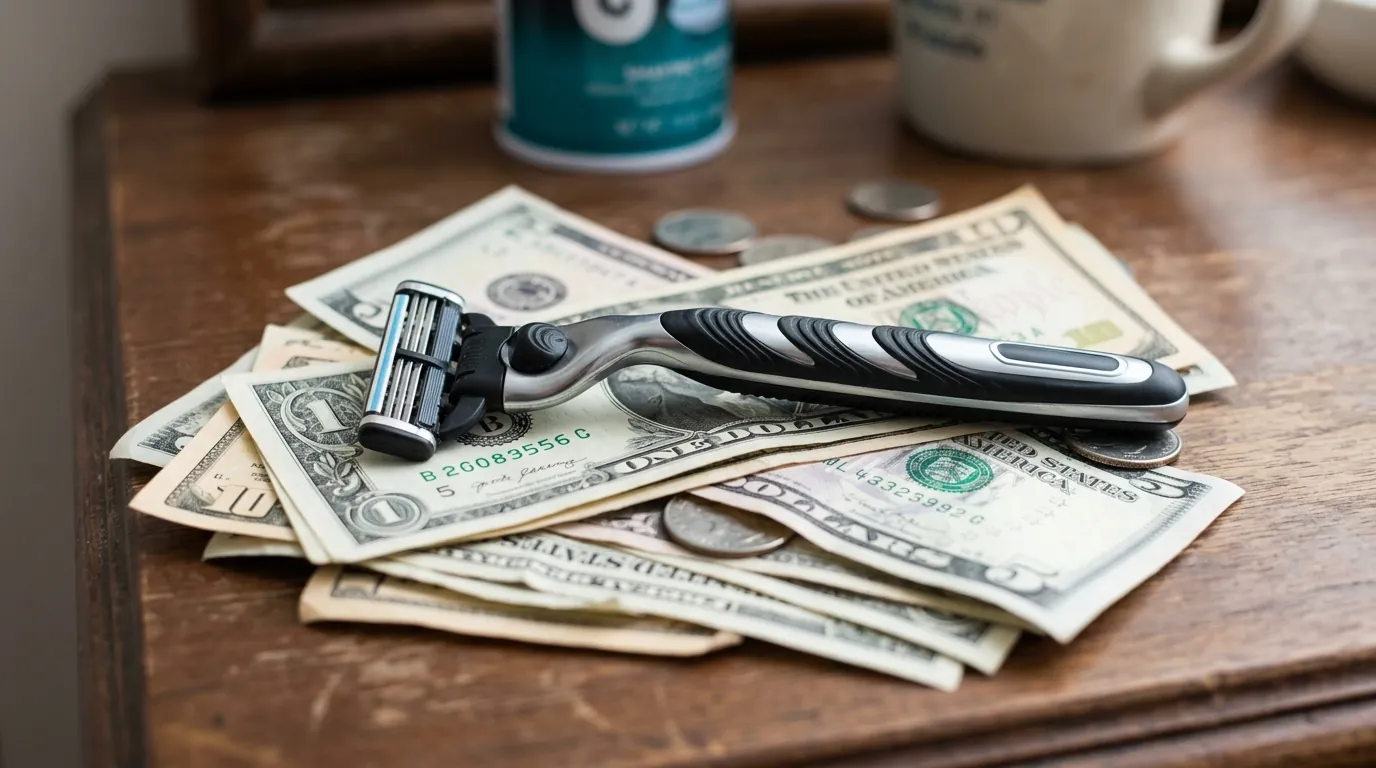
The environmental toll is significant. Disposable and cartridge razors contain mixed plastics and metals that most recycling programs reject. Billions of these razors end up in landfills each year.
Safety razors flip the script: one durable metal handle lasts decades, and replaceable double-edge blades cost pennies each.
Real Savings Breakdown: Up to $300 Per Year
After the one-time purchase of a quality safety razor ($25–$70), ongoing blade costs drop to roughly $10–$15 per year for daily shavers.
Here is a side-by-side comparison using 2026 average retail pricing:
| Category | Cartridge Razor (e.g., Gillette Fusion) | Safety Razor (entry-level + blades) |
|---|---|---|
| Initial cost | $10–$15 (handle) | $25–$70 (handle) |
| Annual blade/refill cost | $200–$400+ | $10–$15 |
| 5-year total (avg. user) | $1,000–$2,000+ | $75–$140 |
| Annual savings after year 1 | — | $200–$300 |
The math is simple: one $10 pack of 100 quality blades lasts most people 1–2 years. That is the entire ongoing cost once you own the handle.
The Environmental Win
Every cartridge head you skip keeps mixed plastics and non-recyclable blades out of landfills. Safety razor blades are thin steel. Many municipalities accept them in household metal recycling once taped or stored in a blade bank, or they take up virtually zero space if saved for proper disposal.
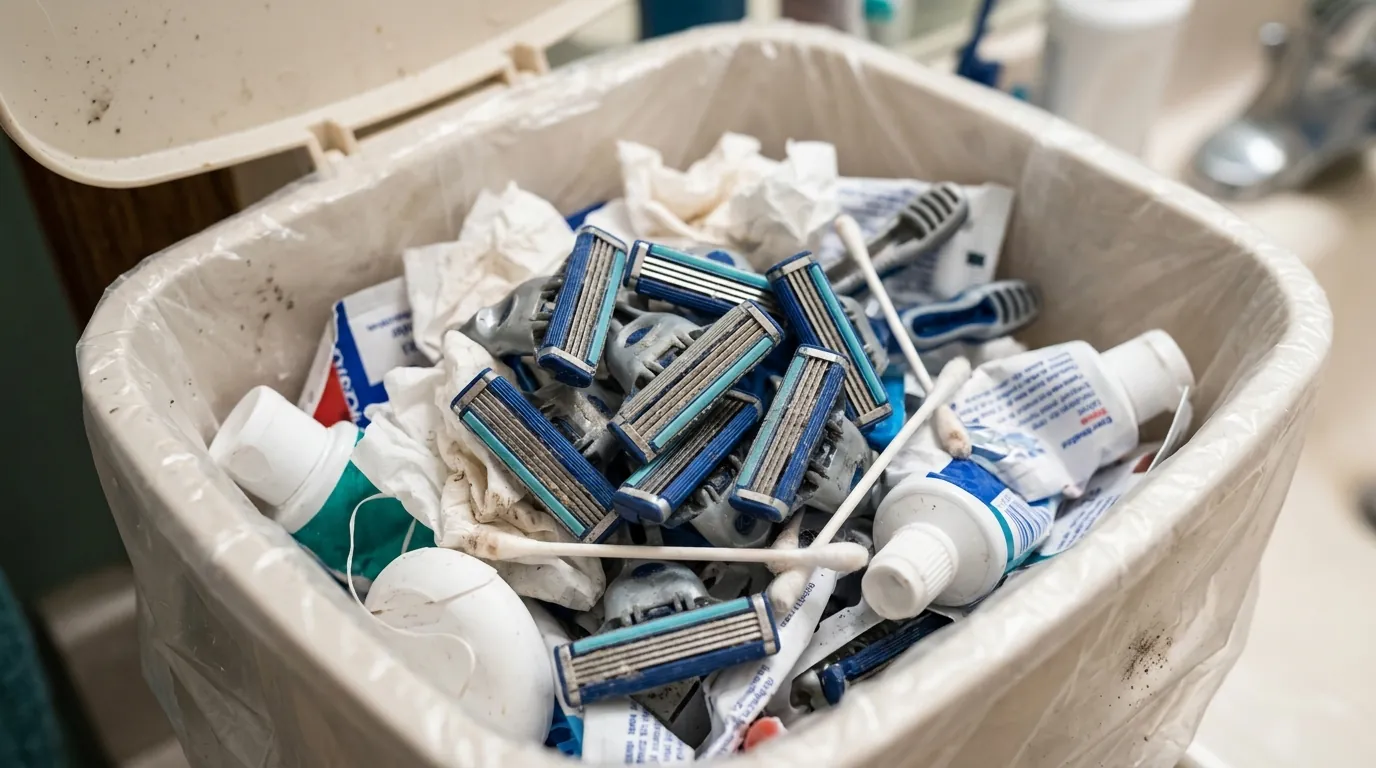
Switching also reduces packaging waste. One safety razor handle replaces dozens of plastic-handled cartridges and their blister packs over a lifetime. Over five years, that is hundreds of pieces of plastic you never send to a landfill.
Choosing Your First Safety Razor: 2026 Beginner Recommendations
Beginners need a mild, forgiving razor with a moderate blade gap and weight that provides control without aggression. Our team evaluated current top performers based on ease of use, build quality, and value.
Here are four strong options for new low-tech shavers:
- Merkur 34C (~$35–$40): The timeless mild classic. Short handle, excellent balance, and widely praised as the ideal first double-edge razor. Great for sensitive skin.
- Rockwell 6C (~$60): Adjustable with six settings. Start mild (plate 1–2) and dial up as your technique improves. Versatile enough to last years.
- Weishi Nostalgic (~$20–$25): Budget-friendly mild razor that punches above its price. Lightweight and forgiving, so you can test the waters cheaply.
- Henson AL13 or Supply SE (~$50–$70): Modern single-edge or pivoting designs built to help cartridge users transition. The pivot head mimics your old razor’s feel.
Key takeaway: Start mild. A razor labeled “mild” or adjustable on low settings prevents nicks while you learn the 30-degree angle.
Pair any of these with Astra Superior Platinum blades (the most recommended starter blade for 2026) or Feather blades once you want a slightly sharper feel.
Step-by-Step: How to Shave with a Safety Razor
The technique is straightforward once you break it down. Most beginners master it within three to five shaves.
- Prep the skin — Shower or wash your face with warm water for 1–2 minutes. Optional: apply a pre-shave oil to soften hairs.
- Build lather — Use shaving cream or soap with a brush (or hands in a pinch). Aim for a thick, creamy consistency that stands up on the brush.
- Load the blade — Open the razor, place the blade, and close securely.
- Find the angle — Hold the razor at roughly 30 degrees to your face. Let the weight of the razor do the work; avoid pressure.
- First pass (with the grain) — Use short, light strokes. Rinse the razor frequently under hot water.
- Second and third passes — Re-lather and go across or slightly against the grain for closeness. Skip against-the-grain passes until confident.
- Rinse and finish — Cold water splash to close pores, then a simple alcohol-free balm or witch hazel.
Pro tip: Shave in sections—cheeks first, neck last. Take brief pauses between passes to reset your angle. Total time matches or beats your old cartridge routine after the first week.
Must-Have Low-Tech Accessories
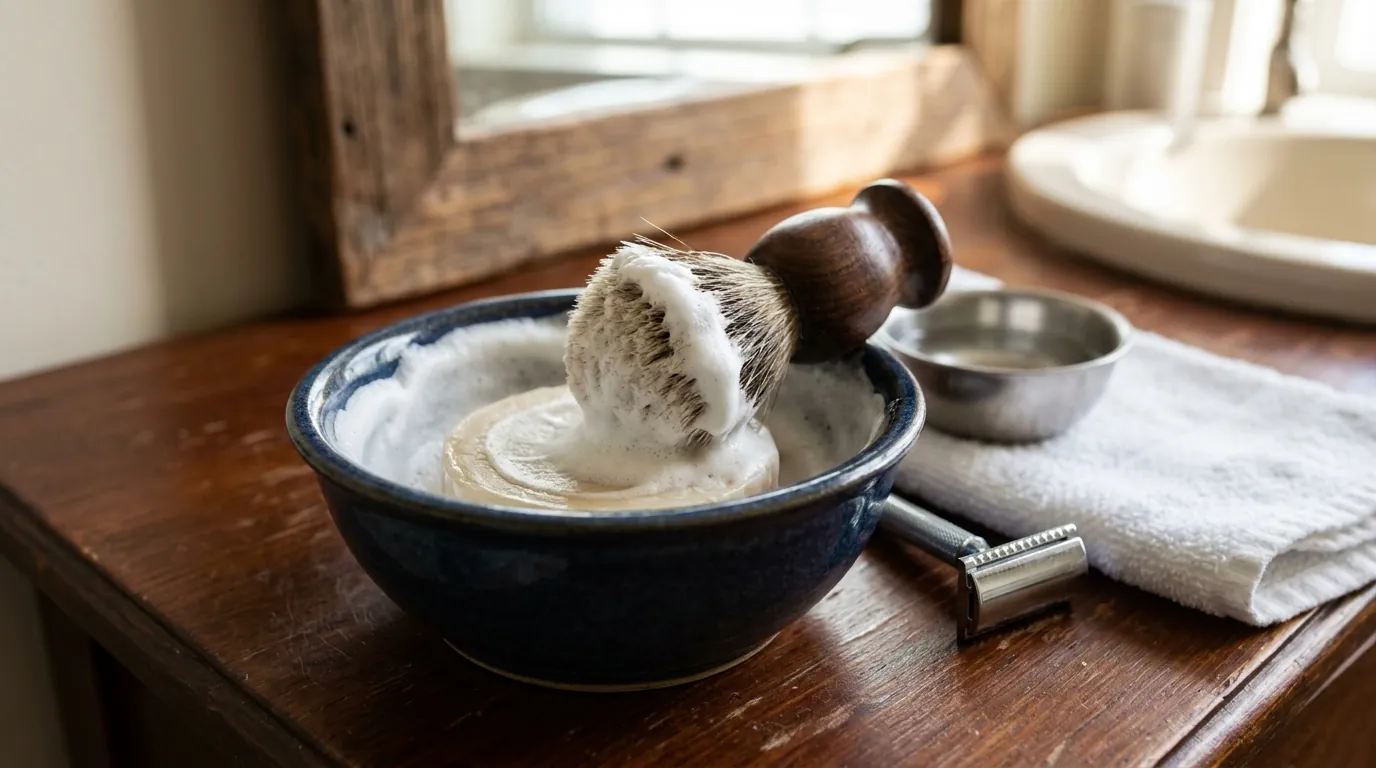
Keep it minimal and durable:
- Badger or synthetic shaving brush ($15–$30)
- Shaving soap or cream in a tub (often lasts 6–12 months)
- Alum block or basic aftershave balm
- Blade sampler pack (10 different blades for ~$10)
All of these are one-time or infrequent purchases that reduce waste and give you better control over ingredients and packaging.
Common Beginner Mistakes to Avoid
- Pressing down instead of letting the razor’s weight work
- Using too steep an angle
- Skipping the with-the-grain first pass
- Changing blades too often or too rarely
- Shaving on completely dry or under-prepped skin
Slow down on the first few shaves. Minor nicks heal quickly and become rare once technique settles. Most users report less irritation and fewer ingrowns than with cartridges after a week.
Maintenance and Blade Replacement
Rinse the razor under hot water after every shave and pat dry. Store it open to air-dry fully. Most handles use corrosion-resistant metals, so rust is unlikely with basic care.
Change blades every five to seven shaves for daily users (roughly weekly). Signs it is time: tugging, reduced closeness, or slight irritation. Store used blades safely in a dedicated disposal tin or blade bank until you can recycle the container as scrap metal.
Ready to Make the Switch?
A safety razor delivers a closer, more comfortable shave while saving serious money and eliminating unnecessary plastic waste. Most people who try it never return to cartridges.
Start with one of the beginner-friendly models above, grab a blade sampler, and give yourself one week. The low-tech payoff—simpler routine, lower bills, and a lighter environmental footprint—is immediate and lasting.
Our team has seen these small swaps compound across grooming, kitchen, and household categories. If you are building out your low-tech routine, pair this with guides on cast-iron cookware, dumb phones, and manual tools for a fully intentional setup.