Slow Mornings: 7 Ways to Start Your Day Without a Smartphone

Delaying smartphone use for the first 60 minutes after waking is one of the most powerful low-tech changes anyone can make. In 2026, with average daily screen time hovering around 4 hours 47 minutes and 85% of U.S. adults reaching for their phones within 10 minutes of waking, that early scroll is quietly sabotaging energy, focus, and mood for millions.
A 2025 randomized controlled trial showed that cutting screen time produced measurable drops in stress and depressive symptoms, plus better sleep and well-being. Another study linked morning phone use directly to disrupted cortisol awakening response—the natural hormone surge that should energize us, not spike into anxiety.
The good news? You don’t need apps, trackers, or willpower hacks. Here’s our simple 7-step low-tech morning routine that uses nothing more than paper, natural light, and basic analog tools. Our team follows it daily, and it delivers clearer thinking, steadier energy, and a surprising sense of control that lasts all day.
Here’s exactly how we structure our mornings at lowtechliving.org—and how you can start tomorrow.
The Science: Why a Phone-Free First Hour Changes Everything
Morning phone use floods your brain with fragmented information, artificially elevating cortisol and flattening its natural daily curve. The result? Higher baseline stress, reduced prefrontal cortex function, and that familiar mid-morning fog.
By contrast, a deliberate low-tech start reinforces your circadian rhythm. Morning sunlight exposure alone advances melatonin timing at night and improves sleep quality. Hydration, movement, and analog planning further stabilize blood sugar and dopamine without the dopamine rollercoaster of notifications.
The payoff compounds: lower anxiety, sharper focus, and up to an extra hour of high-quality time every single day. Best of all, these habits cost almost nothing and require zero subscriptions.
1) Put the Phone in Another Room Overnight
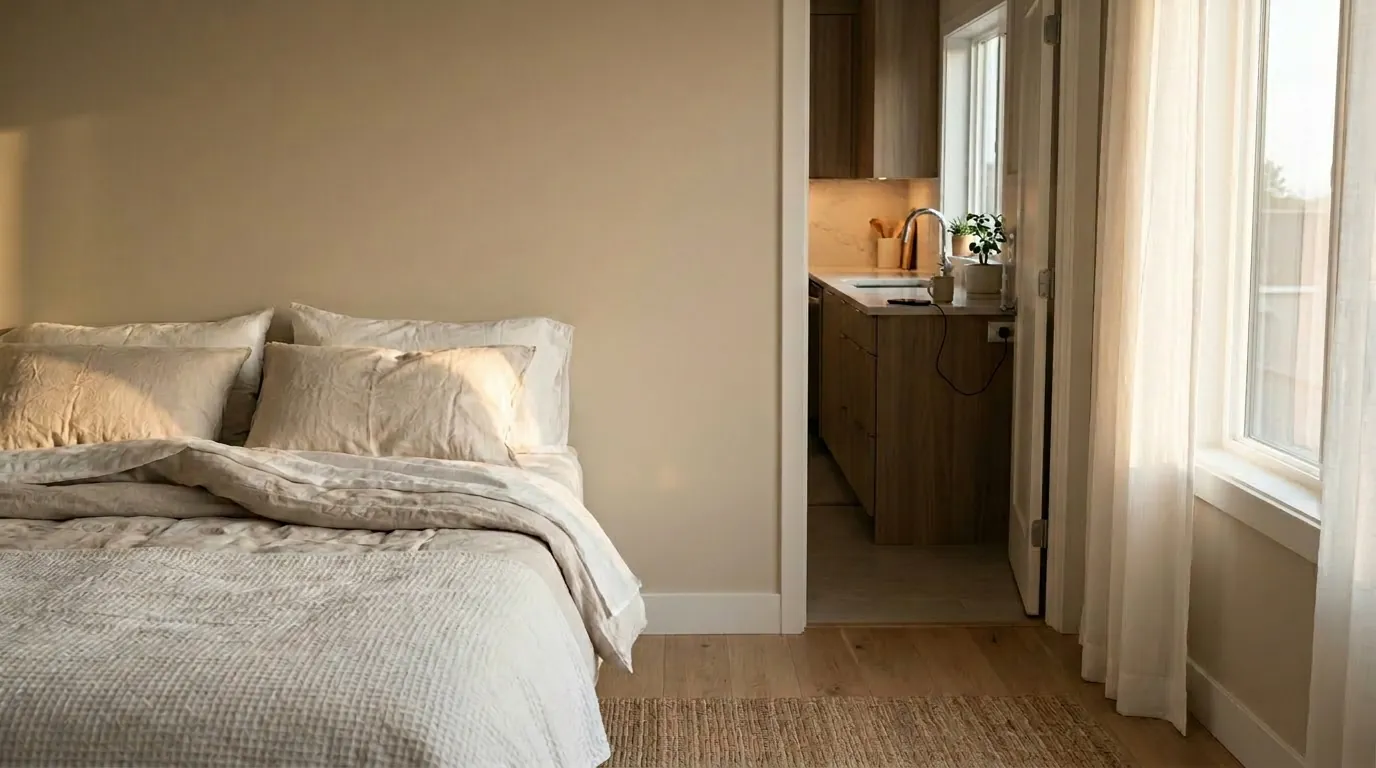
This single change creates the friction needed to break the automatic reach-for-phone reflex. Simply keep electronic devices charging in the kitchen—literally out of sight and out of mind.
Replace it with a simple analog alarm clock. We recommend the Braun BC22 Classic Analogue Alarm Clock or any basic battery-powered model under $25. These wind-up or single-button designs have zero blue light, zero notifications, and last for years on one set of batteries.
Pro Tip: Place the clock across the room so you must get out of bed to silence it. That small movement already signals “day has started.”
2) Use Natural Light Instead of Notifications

Within five minutes of waking, open curtains or step outside for 2–10 minutes. Morning sunlight (even on cloudy days) is the strongest signal for your circadian clock. Research shows every 30-minute increment of morning light before 10 a.m. can shift your sleep midpoint earlier and improve overall sleep quality scores.
No fancy sunrise simulator needed. Just real daylight. For colder climates, keep a pair of slippers by the door for a quick porch step—even in winter.
3) Drink Water Before Coffee
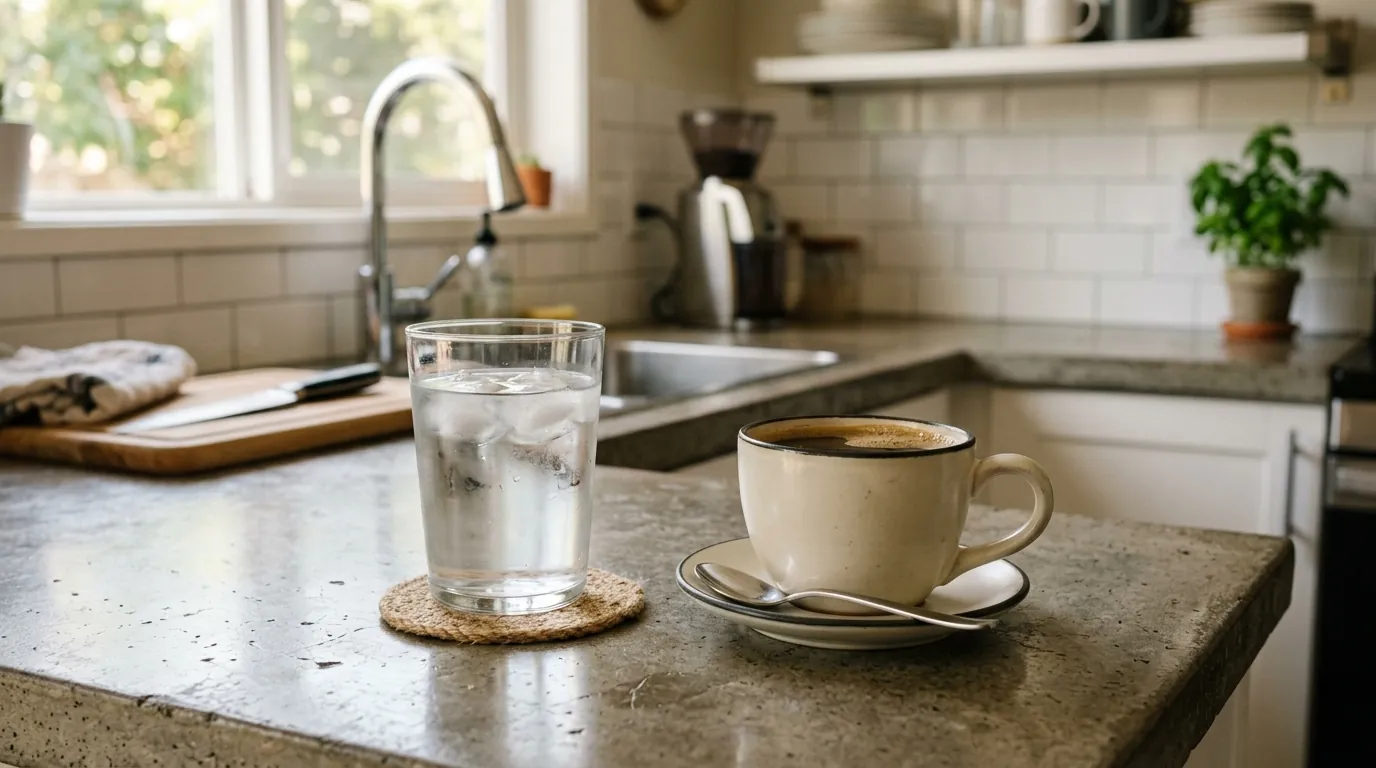
Dehydration from overnight breathing leaves most of us groggy. A full 16–20 oz glass of room-temperature water first thing rehydrates cells, jump-starts metabolism, and prevents that automatic “I need coffee and my phone” pairing.
Keep a glass carafe and stainless-steel cup on the nightstand or kitchen counter. Add a slice of lemon if you like—the ritual feels intentional and replaces the urge to scroll while the kettle boils.
4) Write a 3-Line Plan on Paper

Grab an index card or small notebook. Write exactly three things:
- One work or priority task
- One personal or family item
- One health or self-care action
Keeping it analog prevents inbox overwhelm and decision fatigue. It only takes 90 seconds and creates clarity that digital to-do apps never match. No notifications, no endless scrolling through other people’s priorities.
Key Takeaway: Paper forces brevity and ownership—exactly what your brain needs before the world starts demanding attention.
5) Move for 5–10 Minutes

A short walk around the block, gentle stretching, or bodyweight routine wakes up circulation and releases natural endorphins without any apps or fitness trackers.
Focus on how your body feels rather than steps or calories. You can alternate between a quick neighborhood loop and simple yoga flows from memory. The movement also reinforces the daylight exposure from step 2, doubling the circadian benefit.
6) Eat Breakfast Without a Screen

Sit at the table—no desk, no phone. Mindful eating improves digestion and prevents the multitasking that keeps stress hormones elevated.
If you crave background audio, use a small battery radio or pre-downloaded podcast on a basic MP3 player. Try rotating between classical music on a $15 radio and quiet conversation. The calm carries into the rest of the morning.
7) Delay News and Messages for 60 Minutes

Give yourself a full hour before opening email, news, or social media. Most “urgent” items can wait, and that buffer protects the mental clarity you just built.
Keep a physical newspaper or magazine if you must have morning information—but only after the hour is up. The delay alone has been shown in studies to reduce anxiety and improve decision-making throughout the day.
Quick-Start Checklist for Your First Week
- Phone charging outside bedroom (kitchen or office)
- Analog alarm clock set and placed across the room
- Curtains ready to open or outdoor shoes by the door
- Water glass pre-filled the night before
- Index cards and pen on the kitchen table
- 5-minute movement plan written out (optional)
- Timer or clock set for 60-minute “phone-free zone”
Common Mistakes and How to Overcome Them
- “I’ll just check one thing” — Solution: Airplane mode the night before and leave the phone in another room. No exceptions for the first 14 days.
- Feeling bored or restless — Normal for the first 3–4 days. The brain is detoxing from constant dopamine hits. Stick with it; calm replaces the itch.
- Forgetting to open curtains — Put a sticky note on your alarm clock or bathroom mirror as a visual cue.
- Family pushback — Start together. We recommend turning it into a household challenge—kids often love racing to finish their 3-line plans first.
Track your own energy and mood in a simple notebook for seven days. You’re likely to notice improved focus by day three and deeper sleep by day five.
Make Slow Mornings Your New Normal
This routine isn’t about perfection—it’s about protecting the most valuable hour of your day. Once the first 60 minutes belong to you, the rest of the day feels calmer, more intentional, and far more productive.
Our team pairs these slow mornings with other low-tech upgrades like cast-iron cookware for breakfast and dumb phones for the rest of the day. The combination creates a lifestyle that feels lighter and more in control.
Start tomorrow with just three steps—phone in another room, water first, and natural light. Build from there. In one week you’ll wonder how you ever started the day any other way.
Ready to reclaim your mornings? Grab a simple analog alarm clock and an index card tonight. Your calmer, clearer self is waiting on the other side of that first phone-free hour.