How to Create a Physical Recipe Card System for Family Meals
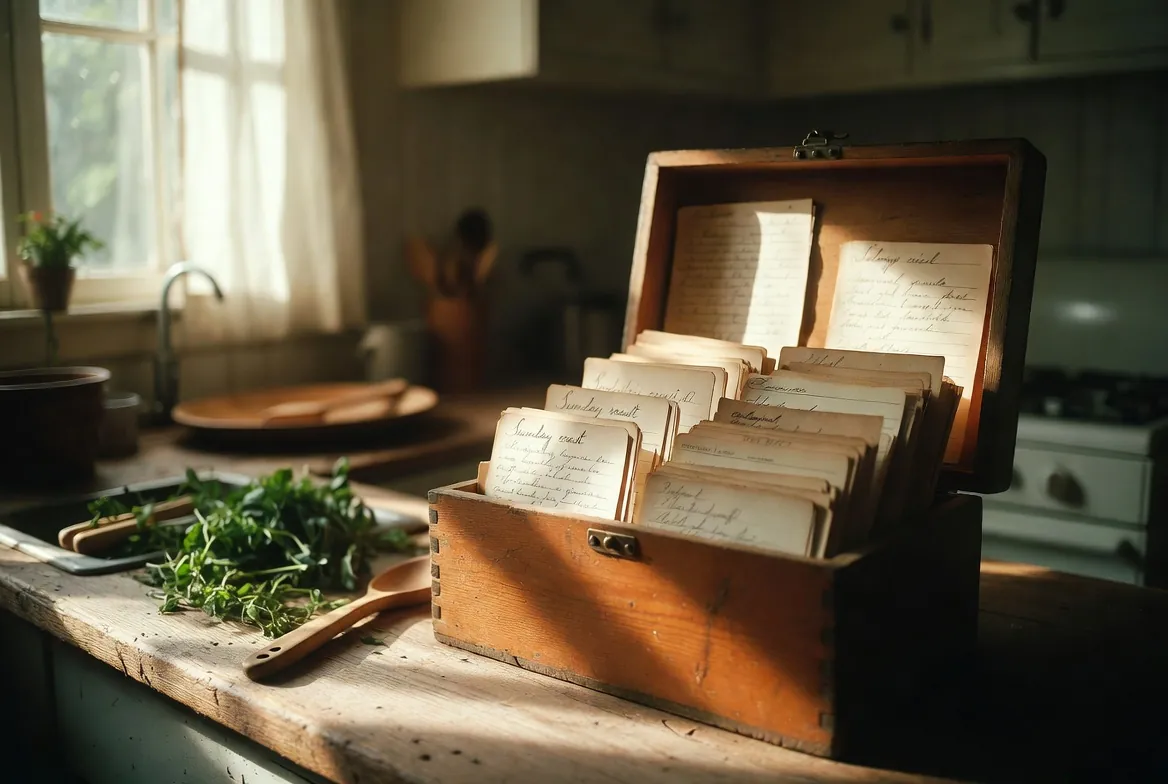
A physical recipe card system keeps favorite meals organized without screens or devices. It supports deliberate meal planning through simple tools that stay ready on the countertop.
Why a Physical Recipe Card System Fits a Low Tech Kitchen
Handwritten cards reduce reliance on digital devices during cooking. They lower visual fatigue and allow quick reference while hands remain free for preparation. The format also encourages sharing recipes across generations without electricity or updates.
This approach fits the Low Tech Living focus on practical habits that cut stress and support offline routines. A dedicated box or binder holds the collection in one place, making it easy to add new recipes as family meals evolve.
Selecting Tools for the System
Choose a container that matches the size of your recipe collection and kitchen space. Several durable options work well for standard 4x6 inch cards.
The Dahey Wooden Recipe Box White Recipe Organizer features wooden construction with a lid, includes 100 recipe cards and 6 dividers, and fits neatly on the counter for daily use.
The DRASTAR Acacia Recipe Card Box offers premium acacia wood, comes with 50 cards and 6 dividers, and provides stable countertop storage.
For larger or more detailed recipes, the Recipe Binder 8.5x11 3 Ring with Sleeves and Cards supplies a 1-inch binder, 60 plastic sleeves, 60 blank cards, and 12 tabbed dividers for full-page entries.
The SENSORY4U Wooden Recipe Box with Cards & Dividers includes 100 cards and 12 dividers in a rustic wooden design with a built-in holder slot.
The ZICOTO Beautiful Linen Recipe Box holds up to 250 cards in sturdy linen-covered construction and works well for expanding collections over time.
Setup Steps
- Sort existing recipes by category such as breakfast, main dishes, sides, and desserts.
- Write or transfer each recipe onto a card or page, noting ingredients, steps, and servings.
- Insert dividers to separate sections and label them clearly.
- Place the container in a consistent kitchen spot for easy reach during meal preparation.
- Add new recipes as they are tested and approved by the family.
Maintaining and Growing the Collection
Review cards periodically to update notes on substitutions or family preferences. Keep blank cards nearby so new ideas can be recorded immediately after a successful meal.
Store the system away from heat and moisture to preserve the materials. This simple routine supports consistent home cooking while keeping everything accessible without additional devices.
A physical recipe card system delivers reliable reference and encourages hands-on meal planning that aligns with steady, low-stress kitchen habits.