How to Select Quality Low Tech Binoculars for Nature Observation
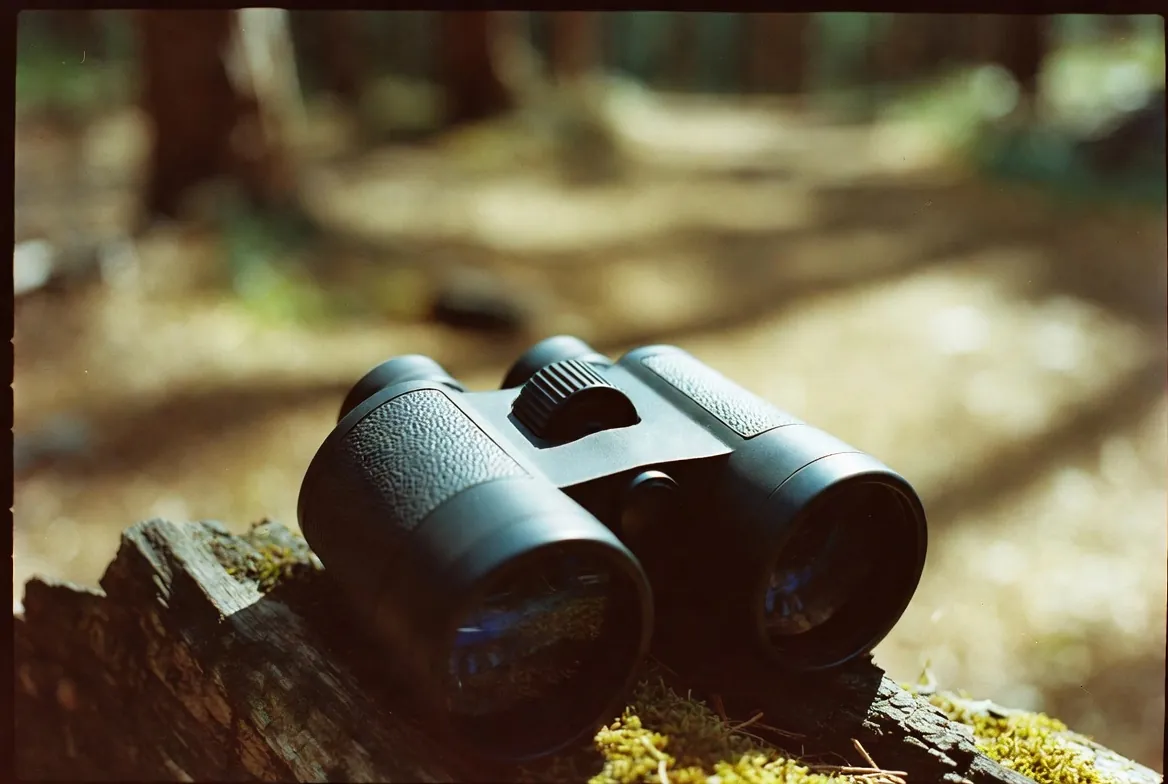
Low-tech binoculars give a direct view of birds and landscapes without any power source or screen. They encourage slower pacing, sharper attention to surroundings, and time spent entirely offline.
Why Binoculars Fit a Low Tech Lifestyle
Quality optics let you observe fine details in the field using only natural light and manual focus. This approach lowers energy demands, cuts digital interruptions, and builds a steadier habit of outdoor presence. Low Tech Living recommends tools that last for years with simple care, supporting repeated use on local trails or nearby reserves.
Key Features for Reliable Performance
Focus first on glass and build quality that deliver clear images in changing weather. These traits matter most for extended sessions where comfort and steadiness improve the overall experience.
Optical Clarity and Field of View
Look for ED glass and multi-coated lenses that reduce color fringing and maintain brightness. The Athlon Optics Midas ED 8x42 Binoculars features ED Glass for sharp, color-accurate images along with a wide 426 ft field of view at 1000 yards. The Nikon Monarch M5 8x42 Binoculars offers ED Glass with multi-coated lenses and long eye relief suited to eyeglass wearers.
Weatherproofing and Durability
Waterproof and fogproof construction protects the view during early-morning or damp conditions. The Vortex Diamondback HD 8x42 Binoculars includes a HD optical system with fully multi-coated lenses plus waterproof, fogproof, and shockproof housing. The Celestron Nature DX 8x42 Binoculars uses fully multi-coated optics and BaK-4 prisms for bright images in a waterproof and fogproof body.
Ergonomics and Handling
Light weight and secure grip reduce fatigue on longer hikes. The Hawke Frontier ED X 8x42 Binoculars provides ED glass with dielectric coatings, a magnesium alloy chassis, and smooth focusing for steady handheld use.
Steps to Choose and Begin Using Binoculars
- Decide on magnification and objective size that matches your typical distance—8x42 remains a balanced choice for most trails.
- Test the close-focus distance if you also watch insects or nearby plants.
- Check weight and balance while wearing the strap for several minutes.
- Verify that the eyecups adjust smoothly for your eyes or glasses.
- Carry the binoculars on short outings first to confirm comfort before longer trips.
- Keep lenses clean with a microfiber cloth stored in the case.
- Store the pair in a dry indoor spot between uses.
- Practice steady holding technique by bracing elbows against your body.
Benefits of Consistent Outdoor Use
Regular sessions with well-chosen binoculars deepen awareness of local wildlife and seasonal changes. The practice stays simple, requires no electricity, and consistently supports lower stress and greater satisfaction away from screens.